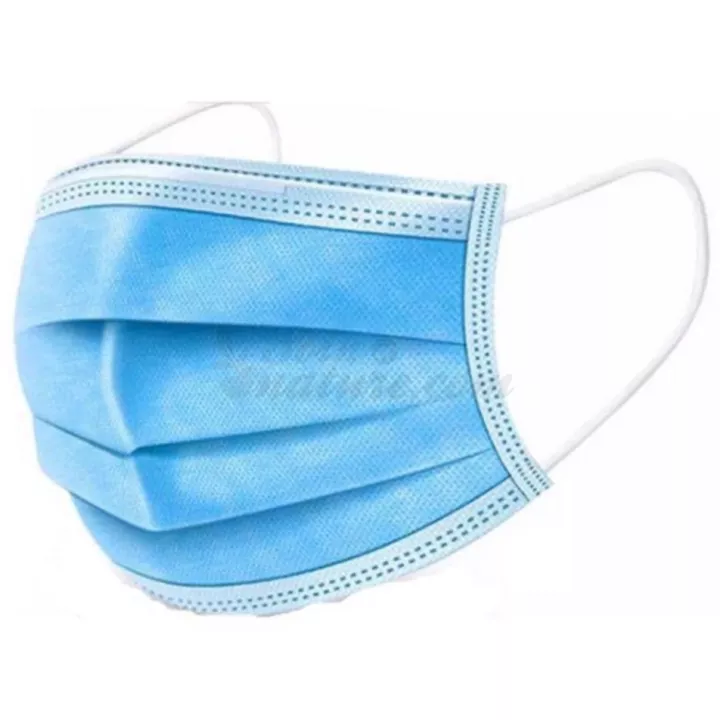
A single-use FFP2 maskis a disposablerespiratory protectivedevice that filters out particles and aerosols (small water droplets that may containinfluenza viruses or coronaviruses, forexample). Thedisposable FFP2 mask is designed to protect the wearer from inhaling infectious agents transmitted through the air we breathe. It also protects the wearer from the risk of transmission via droplets.
FFP2 Mask (EN 149-2001) for COVID-19 Prevention
Anatomically shaped to fit most face types
The distinctive feature of FFP2 or KN95 masks is their 95% filtration efficiency. This means they block up to 95% of particles, even the finest ones as small as 0.3 microns.
By wearing this disposable respiratory protection mask and using it correctly, the wearer is protected not only against pathogens but also against inhaling dust, gases, and smoke.
FFP2 or KN95 mask, providing near-total filtration against bacteria and viruses. Superior quality, comfortable to wear.
Certifications: By Universal, a European Union-notified laboratory. CE EN149:2001+A1:2009 orGB2626-2006
Available for purchase at pharmacies individually or in packs of 5, 10, or boxes of 20 (each mask individually packaged for this format), depending on available stock.
For individuals with allergies, gemmotherapy may be helpful; a nasal spray can also be used in conjunction with the mask.
Horizontally foldable half-mask; breathing valve for added comfort; adjustable nose clip; easy to put on; individually wrapped for complete hygiene. Compatible with other PPE (glasses, earplugs, etc.).
Elastic nose clip to seal the nostrils
Exhalation valve allowing for the rapid and efficient removal of carbon dioxide and water vapor from inside the mask
Sliding head harness strap, which allows the length of the upper and lower straps to be adjusted to the user’s individual needs. The sliding strap allows the half-mask to be hung around the neck so that it does not get in the way and can be put on immediately
Designed to protect the respiratory system against the harmful effects of dust, solid particle aerosols, and liquid aerosols.
The mask complies with the EN149:2001+A1:2009NR standard. In accordance with regulations, this mask should not be used for more than one workday. Its FFP3 filtration provides protection against toxic fine dust, fumes, mists, and water- and oil-based aerosols containing the following materials: carbonate, kaolin, cement, cellulose, cotton, carbon, ferrous metals, vegetable oils, wood, quartz, mineral oils, aluminum, plastic, manganese, platinum, strychnine, smoke, and copper. It is also effective against viruses and bacteria.
It’s important to learn how to properly put on this type ofdisposableFFP2maskto preventinfectionwith theflu virus or the coronavirus, for example.
These masks must strictly comply with the essential safety requirements of European Directive 89/686/EEC applicable to PPE (standard EN 149:2001). This European standard establishes the minimum characteristics for respiratory protective equipment. To this end, it conducts various laboratory tests to verify compliance.
It is preferable for masks to be sold in individual pouches to ensure they are not pre-contaminated.
Note: There are only three organizations capable of certifying the compliance of FFP2 masks (efficacy testing + manufacturing standards): INRS, Apave, and INSPEC.
KN95 mask compliant withGB2626-2006, equivalentto EN149
In light of the rapid spread of the coronavirus, wearing a protective mask is a measure that complements the other health and safety measures that have been implemented. Although wearing a mask is not mandatory in Switzerland, it is nonetheless of great importance for the protection of the wearer and those around them. There are several types of protective masks, but they are not all created equal. The KN95 respiratory protective mask is one of the best masks available on the market. It filters up to 95% of airborne particles and also protects against dust and gases.