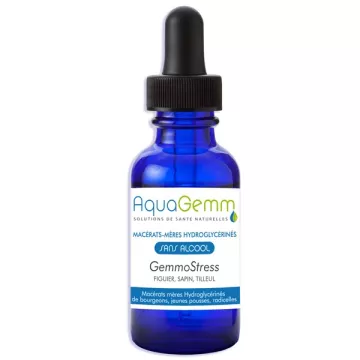
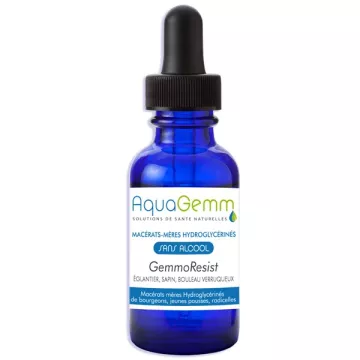
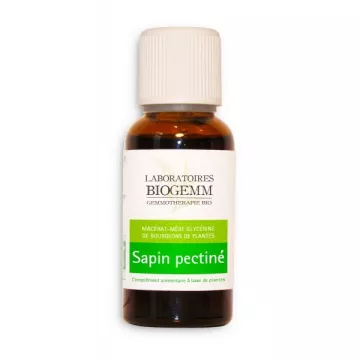
The silver fir (Abies alba, syn. Abies pectinata) is the native fir of Europe—dominating the mountain forests of the Alps, the Pyrenees, the Vosges, and the Jura. It is the fir species most deeply rooted in French and European phytotherapeutic traditions—its medicinal use is recognized by the German Commission E and the HMPC-EMA for respiratory comfort. Discover our range of phytotherapy fluid extracts and aromatherapy products.
Silver Fir vs. Other Fir Trees: What Makes It Unique to Europe?
The silver fir is the only fir of the genus Abies native to Western Europe—a fundamental distinction for traditional herbal medicinal uses.
- Abies alba (syn. Abies pectinata, silver fir or white fir): a typical European species found in the Alps, Jura, Pyrenees, and Vosges — 30–45% bornyl acetate, α-pinene, limonene — a balanced profile combining freshness and resinous notes
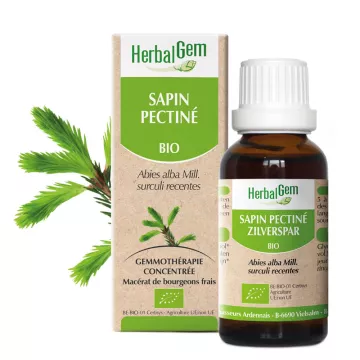
- Its former botanical name (Abies pectinata) is still used in gemmotherapy for the buds—"glycerin macerate ofAbies pectinata buds" is the classic designation
- The resin of Abies alba was used to manufacture “Strasbourg turpentine”—a historic European pharmaceutical remedy
- Olfactory profile: fresh, slightly resinous, and herbaceous—closer to living wood than the North American balsam fir, and milder than the menthol-scented Siberian fir
- Always check the botanical name on the label: Abies alba to ensure it is the European species
Silver Fir and Phytotherapeutic Tradition?
Abies alba is the best-documented fir species in European medicinal traditions.
- HMPC-EMA: Silver fir buds are listed for their traditional use in respiratory comfort (expectorant, upper respiratory tract support)—European pharmaceutical traceability
- German Commission E: White fir essential oil is recognized for supporting the respiratory tract and relieving muscle pain when applied topically
- Strasbourg Turpentine (Abies alba oleoresin): used in the historical European Pharmacopoeia as an expectorant and respiratory antiseptic
- Classical gemmotherapy:Abies pectinata buds in glycerin macerate—primary indication: support for bone mineralization and the respiratory system during winter
- See our line of respiratory supplements and remedies for winter ailments
Silver Fir Essential Oil and Respiratory Comfort?
Silver fir essential oil shares its basic respiratory properties with other firs—with a profile particularly suited for long-term care.
- Mild expectorant and mucolytic (30–45% bornyl acetate): thins bronchial secretions — well-tolerated with regular winter use
- Airborne antiseptic: α-pinene, when diffused, reduces microbial load—helping to prevent seasonal respiratory episodes
- Suitable for people who cannot tolerate essential oils with higher camphor content (Scots pine, Siberian fir)—gentle on sensitive mucous membranes
- Inhalation: 3 drops in hot water, 10 min — upper respiratory tract
- Thoracic application at 2–3% in vegetable oil—thoracic massages 2 to 3 times a day
Gemmotherapy with Abies pectinata buds?
Silver fir buds are one of the most commonly used meristems in gemmotherapy.
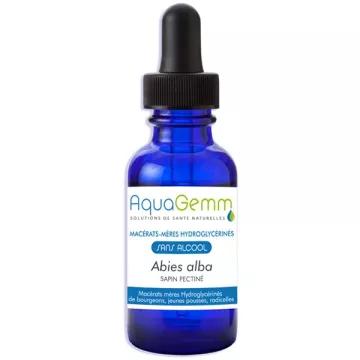
- Glycerine macerate ofAbies pectinata buds: extracts the growth compounds present in the buds (growth factors, vitamins, minerals, phytohormones)
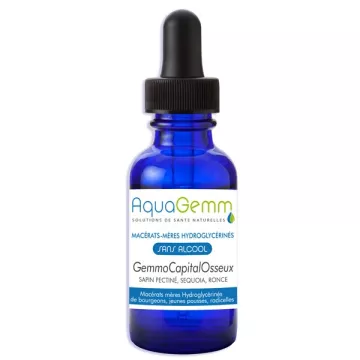
- Traditional gemmotherapy indications: support for bone mineralization (in combination with calcium and vitamin D), stimulation of the body’s natural defenses, respiratory comfort during winter
- Standard dosage: 5 to 15 drops in a glass of water, twice daily before meals—treatment course lasting 3 weeks to 3 months depending on the indication
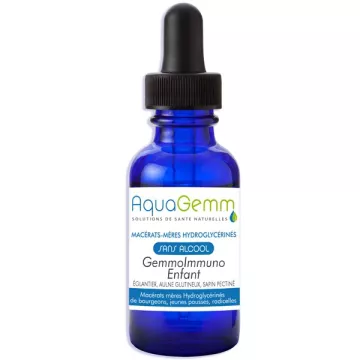
- Children: pediatric formulations ofAbies pectinata buds available—dosages adjusted according to age
- Not to be confused with Abies pectinata essential oil (for topical/olfactory use) or the resin (for external use)—these are three distinct products
Precautions and contraindications?
Precautions are the same as for other species of the genus Abies.
- Essential oil: Pregnant women (1st trimester)—avoid as a precaution. Children under 6 years of age—avoid direct inhalation. Asthmatics—diffuse for 10–15 minutes max, ensure good ventilation
- Glycerine-infused buds: generally well tolerated — contain traces of alcohol (fermented glycerol) — check for alcohol-free formulations if contraindicated
- Allergy to the Pinaceae family or conifer resins: skin test recommended—possible cross-reactivity with other firs, pines, and cypresses
- Essential oils (EOs)—always dilute to 2–5% for topical use—never use undiluted on the skin