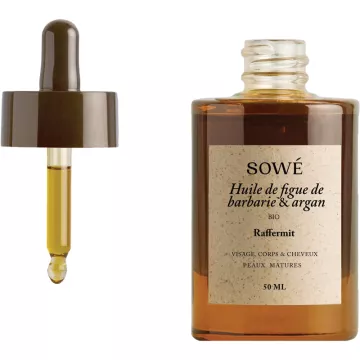
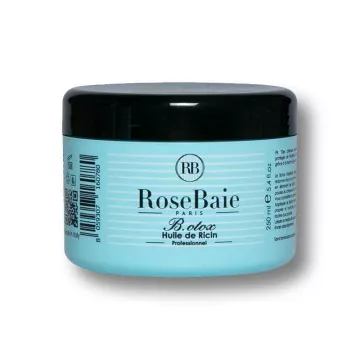
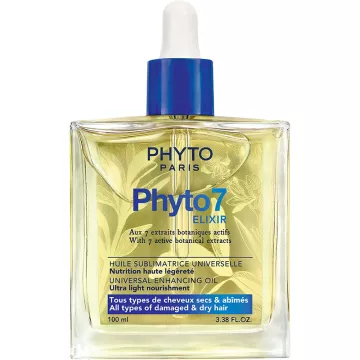
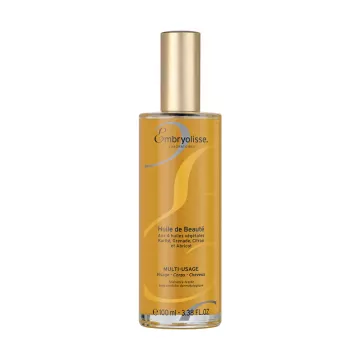
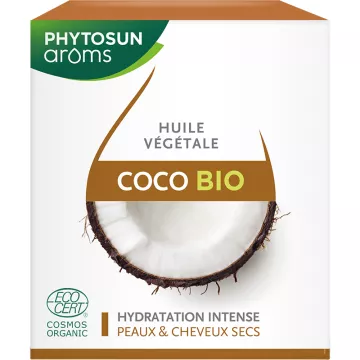
What is hair oil, and why is it beneficial?
Hair oil is a hair care product designed to nourish, moisturize, and protect hair from external aggressors such as pollution, the sun, and dryness. Oils can be natural, such as argan oil, coconut oil, or jojoba oil. They are rich in essential fatty acids, vitamins, and minerals, making them ideal for improving hair texture, enhancing shine, and reducing frizz.
How do you choose the best oil for your hair?
The choice ofhair oil should be based on your hair type (dry, oily, normal, damaged) and your specific needs. For example, argan oil is particularly effective for dry and damaged hair because it’s very moisturizing and restorative. For hair that tends to be oily, jojoba oil may be preferable because it regulates sebum production.
How do you apply hair oil correctly?
For effective application, it’s recommended to place a few drops of oil in the palm of your hand, rub your hands together, and then apply it evenly to the lengths and ends of your hair. It’s important to start with a small amount and adjust based on how your hair absorbs it and reacts. The oil can be used on damp hair for a nourishing treatment or on dry hair for a smoothing and shine-enhancing effect.
What are the effects of oil on hair?
Regular useof hair oil can transform the texture of your hair, making it softer, smoother, and less prone to breakage and split ends. Oils also protect hair from the heat of styling tools and environmental damage, prolonging the health and vitality of your hair.
Can you use hair oil every day?
It depends on your hair type and the oil you’re using. As a general rule, for fine or oily hair, it’s best to limit use to once or twice a week. For thick, dry, or damaged hair, daily application can be beneficial for maintaining continuous hydration.
What is the difference between hair oil and hair serum?
Hair oil and hair serum are two types of products used to improve the appearance and health of hair, but they differ in their composition and effects. Hair oil is generally made from natural ingredients and is designed to deeply nourish the hair by penetrating the cuticle. Serum, on the other hand, is often silicone-based and designed to create a protective barrier on the hair’s surface, controlling frizz and adding shine without necessarily nourishing the hair.
How can you prevent your hair from looking greasy after applying hair oil?
To avoid a greasy look after usinghair oil, it’s crucial to apply the oil sparingly. Always start with a small amount, and apply it mainly to the ends and mid-lengths of the hair rather than the scalp. Use lightweight oils such as grapeseed or almond oil if you have fine hair or hair that tends to get oily quickly.
Can you use hair oil on colored hair?
Usinghair oil on colored hair is not only possible but also recommended to maintain moisture and shine in chemically treated hair. Oils such as argan or macadamia oil can help prolong color vibrancy and repair damage caused by coloring. Be sure to choose oils that are free of sulfates and alcohols, which could strip the color.
When is the best time to apply hair oil?
The best time to applyhair oil depends on your goal: for an intensive nourishing treatment, apply the oil to damp hair before bed and leave it on overnight. For heat protection before styling, apply a small amount to damp or dry hair before using heated styling tools. For a shiny, smooth finish, a small amount can be applied to dry hair after styling.
Which essential oils can be added to hair oil for additional benefits?
Incorporating essential oils into your hair oil can enhance its benefits. For example, rosemary essential oil can stimulate hair growth and improve scalp circulation. Lavender essential oil, known for its soothing properties, is ideal for calming irritated scalps. Be sure to mix a few drops of essential oil thoroughly with a carrier oil before application to avoid irritation.