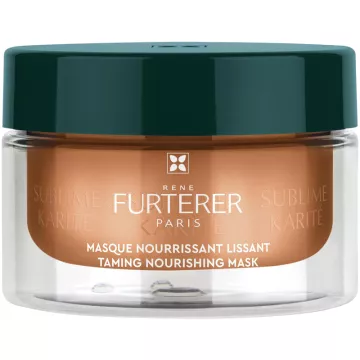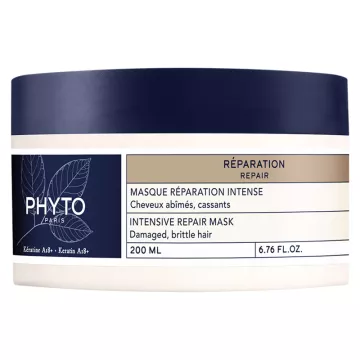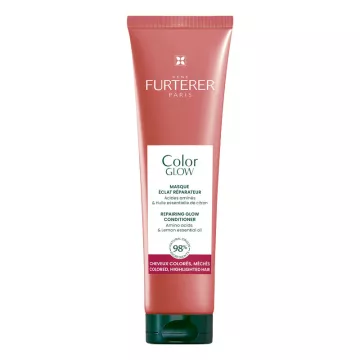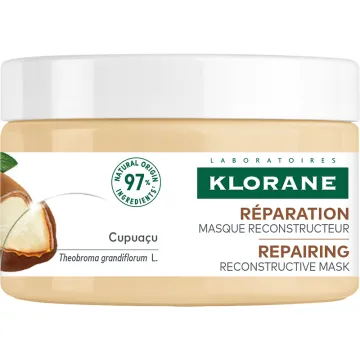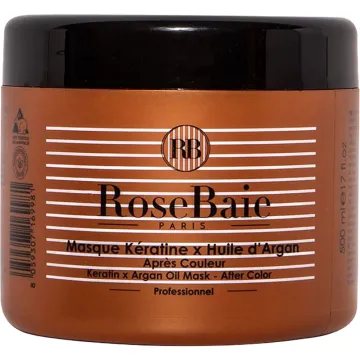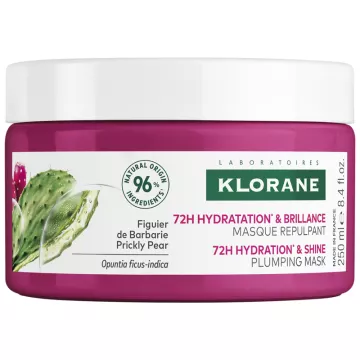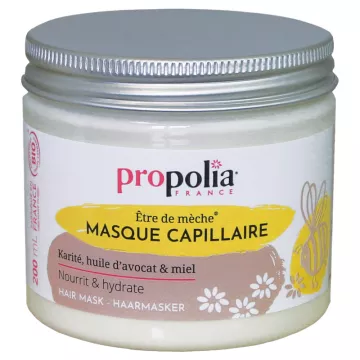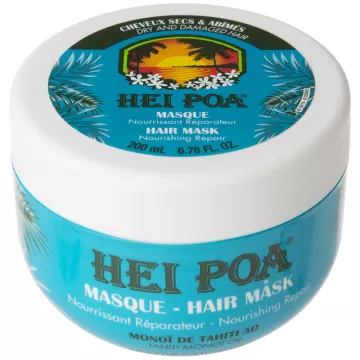
What is a hair mask, and how can it improve the health of my hair?
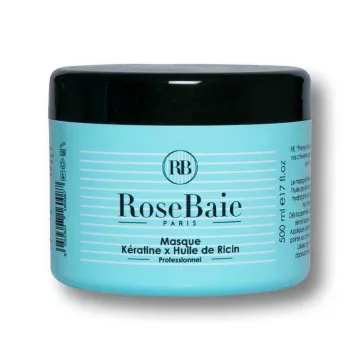
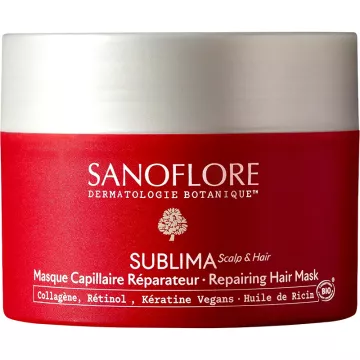
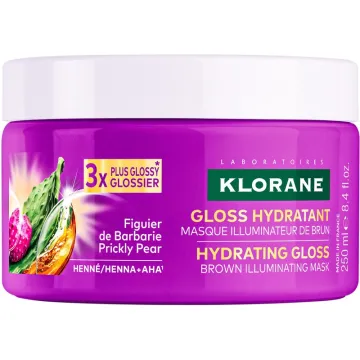
A hair mask is a deep treatment that nourishes and repairs hair from root to tip. Thanks to its nutrient-rich formula—which includes proteins, vitamins, and essential oils—it’s particularly effective at restoring vitality to damaged, dry, or brittle hair. By using a hair mask regularly, you’ll notice a significant improvement in your hair’s texture and shine, while also protecting your scalp from external stressors.
What ingredients should I look for in a high-quality hair mask?
To choose an effective hair mask, look for products containing natural oils (such as argan, coconut, or jojoba oil), proteins (such as keratin), amino acids, and botanical extracts. These ingredients are known for their moisturizing, restorative, and strengthening properties. Avoid masks containing silicones or sulfates, which can weigh down and damage your hair over time.
How and when should you apply a hair mask to maximize its benefits?
Applying a hair mask should be a special pampering moment. Apply the product to damp hair after washing it with a gentle shampoo. Distribute the mask evenly using your fingers or a wide-tooth comb, focusing on the ends. Leave the mask on for at least 10 to 20 minutes before rinsing with lukewarm water. For an intensive treatment, you can wrap your hair in a warm towel while the mask is on. Use a hair mask once or twice a week, depending on your hair’s needs.
What are the specific benefits of hair masks for different hair types?
How can a hair mask affect hair growth?
Although hair masks do not directly stimulate hair growth, they improve scalp health and prevent hair breakage. By keeping your hair well-nourished and hydrated, you minimize the risk of damage and promote healthy, continuous growth.
Can I make a homemade hair mask, and which recipes are most effective?
For those who prefer natural treatments, making a homemade hair mask can be an excellent alternative. Here are a few simple recipes:
What’s the difference between a hair mask and a conditioner?
A hair mask and a conditioner serve distinct purposes in a hair care routine. Conditioner is a quick treatment that helps detangle hair and make it softer after washing. In contrast, a hair mask is a deep treatment that penetrates the hair shaft to repair, nourish, and deeply moisturize. While conditioner works mainly on the surface, a hair mask targets internal damage for complete hair restoration.
Are hair masks suitable for curly or coily hair?
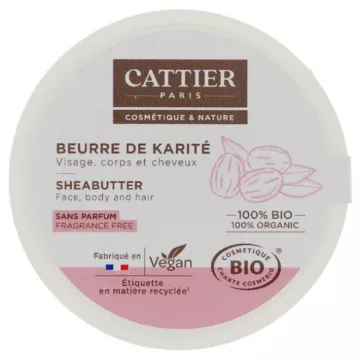
Yes, hair masks are particularly beneficial for curly or coily hair. These hair types tend to be drier and more prone to breakage. A moisturizing and nourishing hair mask can help define curls, reduce frizz, and maintain the hair’s elasticity. Look for masks containing ingredients like shea butter, coconut oil, or jojoba oil, which provide intense hydration and protection against environmental damage.
Can hair masks cause side effects or allergies?
As with any skincare product, some hair masks may cause allergic reactions or irritation in certain individuals. It’s important to check the ingredients and perform a patch test on a small area of skin before full use. Avoid products containing sulfates, parabens, and artificial fragrances if you have a sensitive scalp. If you experience an adverse reaction, rinse immediately and consult a healthcare professional.
How long does it take to see results with a hair mask?
The results of a hair mask can vary depending on the initial condition of your hair and how often you use it. Generally, you can start to see noticeable improvements in texture and shine after a few uses, or about 2 to 4 weeks. For more severe damage, regular treatment over several months may be necessary to achieve full repair. The key is consistency in application.
Are there specific hair masks for oily hair?
Yes, there are hair masks specially formulated for oily hair. These masks contain purifying ingredients such as clay, activated charcoal, or tea tree oil, which help regulate sebum production and keep the scalp clean without drying it out. Apply these masks mainly to the mid-lengths and ends to avoid weighing down the roots, and use them once a week to balance your hair’s moisture levels.