How Can You Achieve Glowing, Healthy Skin?
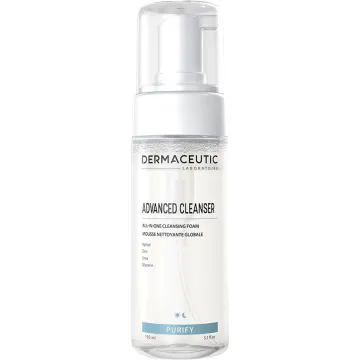
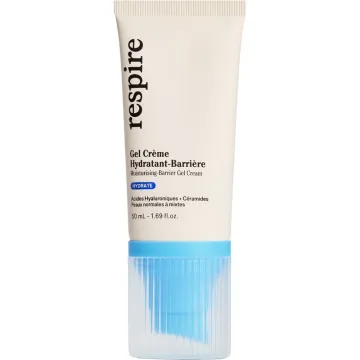
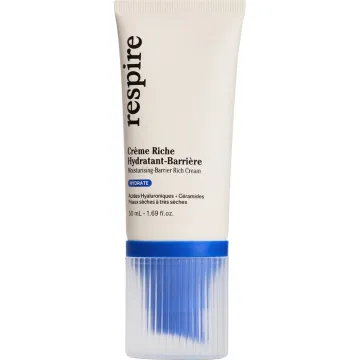
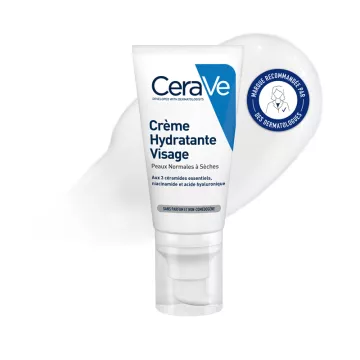
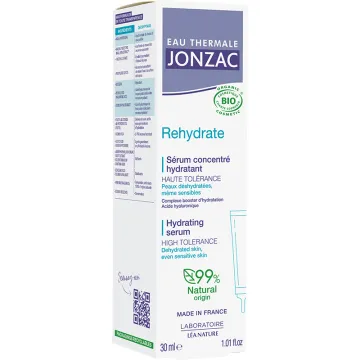
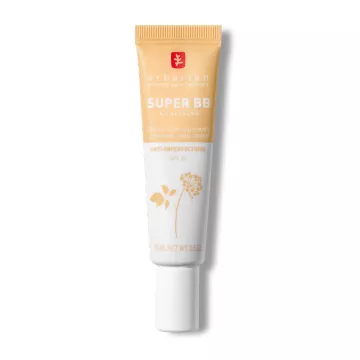
To achieve radiant skin, a tailored skincare routine is essential. Start by cleansing your skin morning and night to remove impurities. Use a gentle cleanser suited to your skin type. Then, apply a toner to balance your skin’s pH. Moisturizing is crucial: choose a lightweight moisturizer for daytime and a richer one for nighttime. Don’t forget serums and targeted treatments tailored to your specific needs.
What foods promote healthy skin?
A healthy diet plays an essential role in the health of your skin. Foods rich in antioxidants—such as berries, leafy greens, and nuts—are beneficial. Omega-3 fatty acids found in fish and chia seeds help keep your skin hydrated. Water is also vital for a radiant complexion; it helps flush out toxins and keep your skin hydrated.
How do you choose the right skincare products?
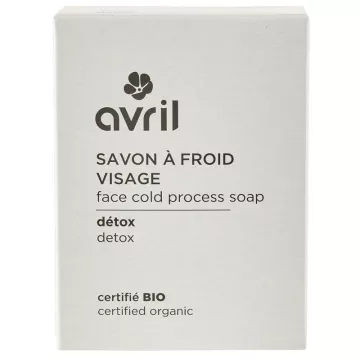
Choosing the right skincare products depends on your skin type. For oily skin, opt for non-comedogenic formulas. Dry skin will benefit from rich, moisturizing products. Those with sensitive skin should avoid irritating ingredients like fragrances and alcohol. Natural ingredients such as aloe vera, green tea, and jojoba oil are excellent choices for a healthy complexion.
What are the best facial exercises?
Facial exercises can tone the facial muscles, promoting a more youthful appearance. Facial exercises involve performing specific movements that target different areas of the face. Regular practice of these exercises can reduce the appearance of wrinkles and firm the skin.
How does sleep affect facial skin?
Sleep has a significant impact on the health of your skin. A restful night’s sleep allows the skin to regenerate and repair any damage sustained during the day. Lack of sleep can lead to a dull complexion, dark circles, and premature aging. Be sure to get enough sleep and establish a relaxing bedtime routine to promote the health of your face.
Is sun exposure beneficial for facial skin?
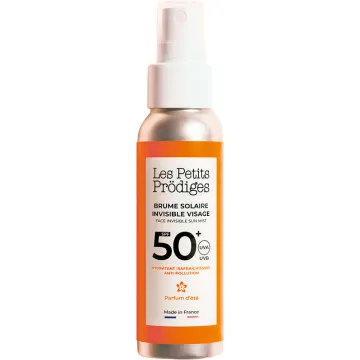
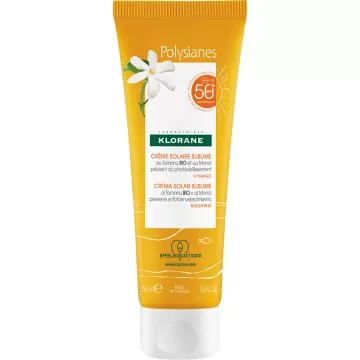
Although vitamin D from the sun is essential, excessive exposure can damage the skin and accelerate aging. Always use sunscreen with an appropriate SPF, even on cloudy days, to preserve your skin’s elasticity and health.
How can you prevent and treat acne?
To prevent acne, maintain a thorough cleansing routine and avoid touching your face with dirty hands. Choose non-comedogenic products and remember to exfoliate your skin regularly to remove dead skin cells. If you have severe acne, consult a dermatologist for specific treatments.
How important is exfoliation in facial care?
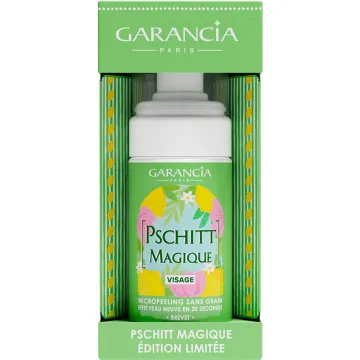
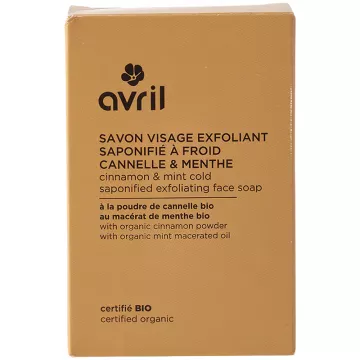
Exfoliation is crucial for maintaining a radiant complexion. It helps remove dead skin cells, thereby promoting cell renewal. Use a gentle exfoliant once or twice a week to reveal brighter skin and enhance the effectiveness of other skincare products. Be careful not to over-exfoliate, however, as this could irritate your skin.
What role do face masks play in a skincare routine?
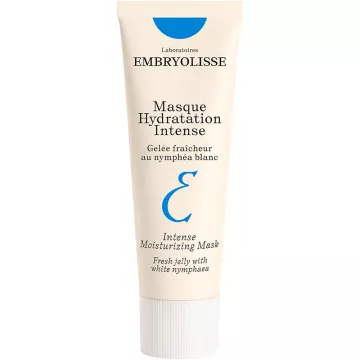
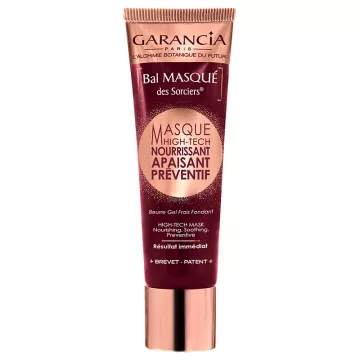
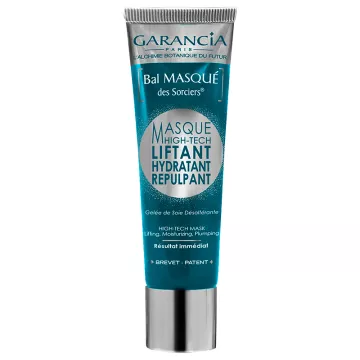
Face masks provide intensive care that targets specific concerns. Whether hydrating, purifying, or anti-aging, they complement your weekly routine by delivering nutrients and improving skin texture. For a radiant complexion, choose a mask suited to your skin type and specific concerns.
How can you protect your skin from pollution?
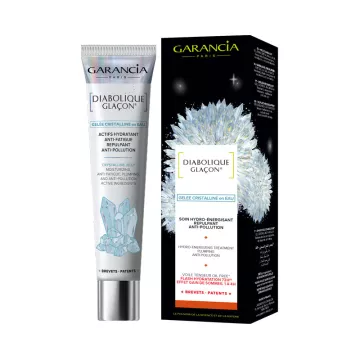
Pollution can cause significant damage to the skin, leading to premature aging and a loss of radiance. Using a deep cleanser to remove impurities is essential. Include antioxidants in your skincare routine, such as vitamin C, to combat the harmful effects of free radicals. Daily sunscreen is also essential to protect your face from environmental aggressors.
Can you really slow down skin aging?
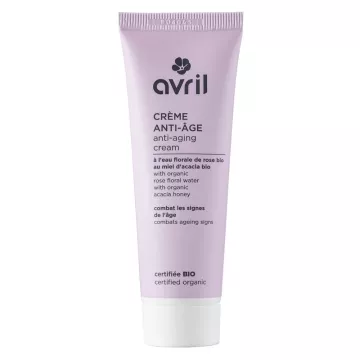
Slowing down skin aging is possible by adopting a proper skincare routine and a healthy lifestyle. Anti-aging ingredients, such as retinol and peptides, can reduce the appearance of wrinkles and improve skin elasticity. Adequate hydration, daily sun protection, and a diet rich in antioxidants are also essential for preserving your face’s youthful appearance.
How do skincare routines differ by season?
Your skin’s needs change with the seasons. In winter, opt for more hydrating products to combat dryness caused by the cold and indoor heating. In summer, go for lighter, non-greasy moisturizers, and don’t forget to apply sunscreen to protect your face from UV rays. No matter the season, adjust your routine based on how your skin reacts to maintain its balance and radiance.