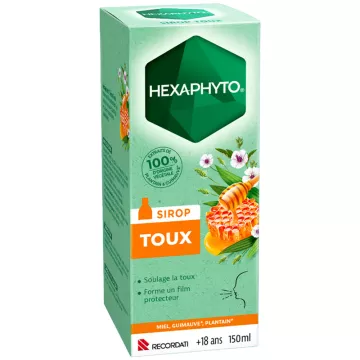
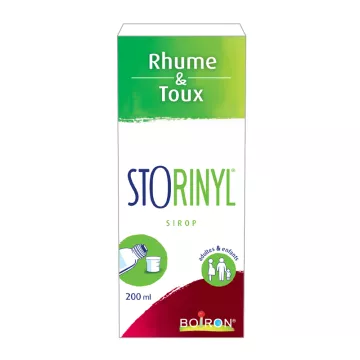
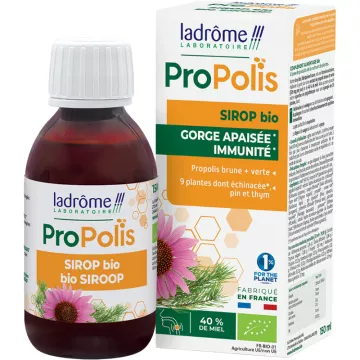
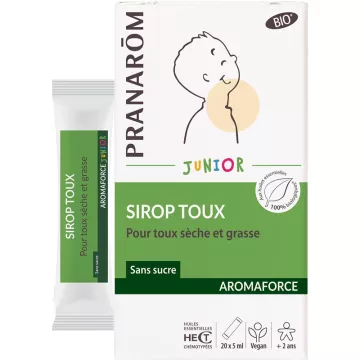
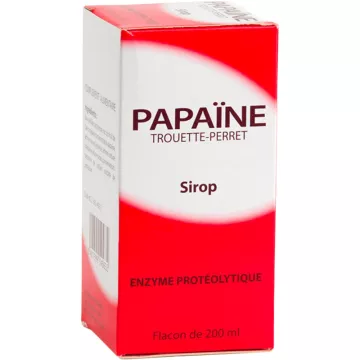
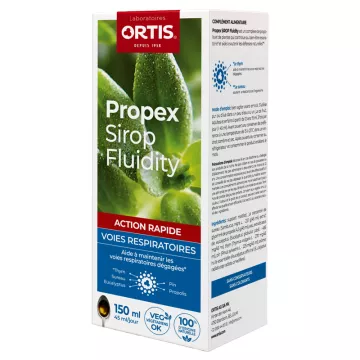
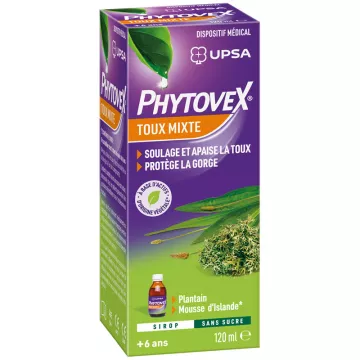
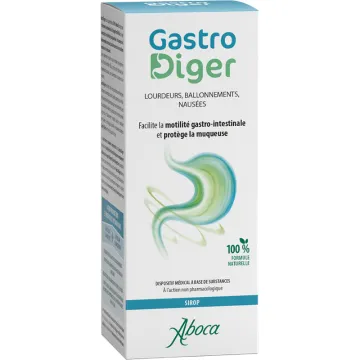
What is a syrup, and how is it made?
A syrup is a concentrated solution of sugar dissolved in water, often enriched with active ingredients such as plant extracts or medications. The production of a syrup begins by dissolving sugar in water, followed by the addition of active ingredients. The mixture is then heated to achieve the desired consistency. Syrups are used for their sweetening properties and as a vehicle for administering medications.
What types of medicinal syrups are available?
Medicinal syrups fall into several categories, including cough syrups (antitussives and expectorants), cold syrups, and allergy syrups. Cough syrups may be based on dextromethorphan, an antitussive, or guaifenesin, an expectorant. Cold syrups often contain decongestants and antihistamines.
What are the advantages of syrups compared to other forms of medication?
Syrups offer several advantages, including ease of administration, especially for children and older adults who may have difficulty swallowing pills. They also allow for precise dosing and rapid absorption of the active ingredients. Syrups can mask the unpleasant taste of certain medications thanks to their sweet flavor.
How do you use a syrup correctly?
To use a syrup correctly, it is important to follow the instructions on the label or your doctor’s recommendations. Use a spoon or a dosing syringe to measure the exact dose. Do not drink directly from the bottle to avoid contamination. Shake the bottle well before each use to ensure the ingredients are evenly distributed.
What are the potential side effects of syrups?
The side effects of syrups vary depending on their active ingredients. Cough syrups may cause drowsiness, dizziness, or gastrointestinal upset. Syrups containing antihistamines may cause drowsiness and dry mouth. It is essential to read the package insert and consult a healthcare professional if you have any questions.
Can syrups be used in children?
Most syrups are formulated to be safe for children, but it is crucial to check the recommended age on the label. Some cough syrups are not recommended for children under 2 years of age. Always consult a pediatrician before giving a syrup to a child to ensure it is appropriate and to determine the correct dose.
Are there any drug interactions with syrups?
Yes, cough syrups can interact with other medications. For example, syrups containing decongestants can raise blood pressure and interact with antihypertensive medications. Cough syrups can interact with other central nervous system depressants. Always inform your doctor or pharmacist of all medications you are taking before using a syrup.
How should syrups be stored to maintain their effectiveness?
Syrups should be stored in a cool, dry place, away from direct sunlight and out of the reach of children. Some syrups must be refrigerated after opening to maintain their stability. Always check the storage instructions on the label and do not use a syrup after its expiration date.
Can syrups contain allergens?
Some syrups may contain allergens such as gluten, artificial colors, or preservatives. It is essential to read the ingredient list if you have known allergies. If in doubt, consult a healthcare professional to avoid allergic reactions.
Are natural syrups as effective as pharmaceutical syrups?
Natural syrups, often made from plant extracts such as honey, lemon, and medicinal herbs, can offer health benefits, including soothing the throat and reducing coughs. However, their effectiveness can vary, and they are not always as potent as pharmaceutical syrups. It is advisable to consult a healthcare professional to determine the best treatment based on the condition being treated.
What are the differences between a syrup and an oral solution?
Syrups and oral solutions are both liquid forms of medication, but they have notable differences. A syrup typically contains a high concentration of sugar, which gives it a thick consistency and a sweet taste—often used to mask the taste of bitter medications. In contrast, an oral solution is a clear liquid with no added sugar, used for medications that require rapid absorption without added flavor. Syrups are preferred for children because of their pleasant taste, while oral solutions are used for precise and rapid administration.
Can syrups be given to pregnant women?
Syrups should be administered to pregnant women with caution and under medical supervision. Certain active ingredients found in syrups, such as decongestants or antihistamines, may have adverse effects on pregnancy or the fetus. It is crucial for pregnant women to consult their doctor before taking any syrup to ensure it is safe for them and their baby.
How do you determine the correct dose of syrup to administer?
To determine the correct dose of syrup, it is essential to follow the manufacturer’s recommendations or your doctor’s instructions. The dose often depends on the patient’s age, weight, and medical condition. Use a measuring spoon or a graduated syringe to accurately measure the amount of syrup to be administered. Do not exceed the recommended dose to avoid unwanted side effects.
Can syrups be addictive?
Some syrups containing active ingredients such as dextromethorphan or opioids can potentially be addictive if used for prolonged periods or in excessive doses. These syrups must be used strictly as prescribed by a doctor and for limited periods only. If you have any doubts or notice symptoms of dependence, it is important to consult a healthcare professional.
What are the alternatives to cough syrups for treating coughs and colds?
Alternatives to cough syrups for treating coughs and colds include tablets, capsules, lozenges, and natural remedies such as herbal teas, honey, and steam inhalations. Each form has its own specific advantages, such as ease of administration or speed of action. Non-medicinal treatments, such as humidifying the air and staying hydrated, can also be effective. The choice of alternative depends on the patient’s preferences, specific symptoms, and medical recommendations.