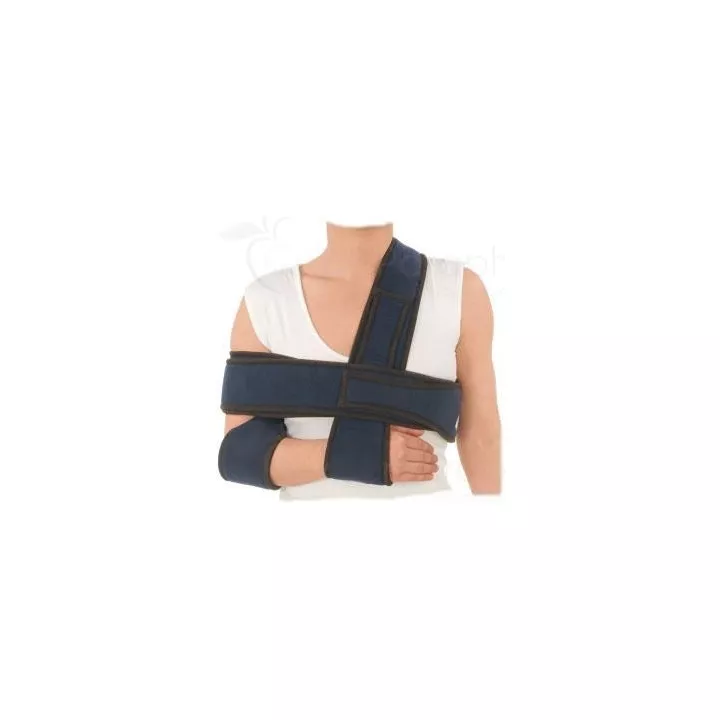
The Donjoy GCI Shoulder Immobilization Vest (one size fits all) is a vest consisting of two independent straps with foam padding. It can be used as a shoulder sling or for a casted arm, and features a removable stabilization belt.
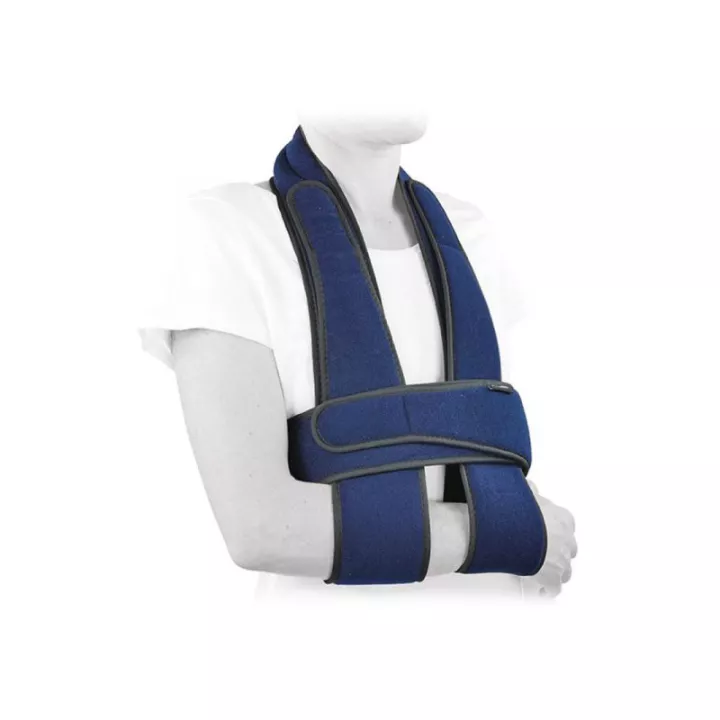 Donjoy Pediatric Immobilization and Restraint Vest with Shoulder and Arm Straps
The shoulder is the joint that connects the arm to the chest. Shoulder injuries can result in fractures, sprains, or dislocations, with the latter two being the most common.
Wearing a brace can be an effective treatment option for these types of conditions.
This Mayo Clinic-stylevest, designed to immobilize the elbow against the body, is specifically intended for use as ashoulder sling, but it is also suitable for people with theirarm in a cast.
The Donjoy GCI protective vestfeatures two independent straps withfoam padding to ensure greater comfort.
This GCI shoulder immobilization vest is ambidextrous and easily adjustable thanks to its adjustable stabilization strap, and is ideally suited for temporary immobilization prior to imaging, further tests, and/or surgical consultation.
The shoulder immobilization vest reduces shoulder mobility and relieves weight-bearing on the upper limb. Restraint slings may be recommended for pain relief, non-strict pre- or postoperative immobilization, or the prevention of certain complications (subluxation of the hemiplegic shoulder).
This GCI vestimmobilizes the upper limbin cases of trauma or following surgery.
It is indicated for Mayo Clinic-style elbow-to-body stabilization.
It providessupport for shoulder injuriesor rotator cuff tears.
It is also suitable for temporary stabilization prior to imaging, further tests, and/or surgical consultation.
Share your feedback on the usage instructions and dosage for the Donjoy GCI Shoulder Immobilization Vest (one-size-fits-all) with our partner. Verified reviews after your purchase.
Safety Precautions
Keep out of reach of children
Product Description - Packaging
The Donjoy GCI Shoulder Immobilization Vest is available from your online pharmacy in one size.
Shoulder immobilization helps promote tissue healing. Reduced movement between tissues facilitates their fusion. The stability provided by medical devices or surrounding tissues is insufficient to allow for optimal healing. Active movements generate stresses that exceed the tissues’ resistance, and supplemental immobilization is almost always necessary.


